

Maximizing Solar Power: A Comprehensive Guide to a 6.6kW Solar System in Sydney
Brief overview of solar energy:
Solar energy, harnessed from the sun’s radiation, is a clean, renewable source of power. Through photovoltaic cells, solar panels convert sunlight into electricity, offering a sustainable alternative to fossil fuels. This abundant energy source is inexhaustible and environmentally friendly, making it crucial in combating climate change and reducing reliance on non-renewable resources.
Importance of solar energy in Sydney:
Sydney, with its abundant sunshine throughout the year, presents an ideal environment for solar energy utilization. As a densely populated urban centre, the city faces significant energy demands, often met by conventional power sources. Embracing solar energy not only reduces carbon emissions but also enhances energy security and resilience against rising electricity costs.
Introduction to 6.6kW solar systems:
The 6.6kW solar system is a popular choice for residential and commercial properties in Sydney, offering substantial energy generation capacity. Comprising solar panels, inverters, and mounting hardware, this system size is suitable for medium to large households or businesses. With proper installation and maintenance, a 6.6kW solar system can significantly offset electricity bills and contribute to a more sustainable energy future for Sydney.
Understanding Solar Energy
A. How solar panels work:
Solar panels consist of photovoltaic cells, which convert sunlight into electricity through the photovoltaic effect. When sunlight hits the panels, the photons in the sunlight knock electrons free from atoms within the cells, generating a flow of electricity. This direct current (DC) is then converted into alternating current (AC) by an inverter, suitable for use in homes and businesses. The efficiency of solar panels depends on factors such as sunlight intensity, angle of sunlight, and the quality of the panels themselves.
B. Solar energy potential in Sydney:
Sydney boasts ample sunlight throughout the year, making it an ideal location for solar energy generation. With an average of over 2,600 hours of sunshine annually, Sydney receives significant solar irradiation. Additionally, the city’s latitude and climate contribute to consistent sunlight, further enhancing its solar energy potential. Leveraging this abundant resource can help reduce dependence on traditional energy sources, lower electricity bills, and contribute to a cleaner environment.
C. Benefits of solar energy:
Solar energy offers numerous benefits, both environmental and economic. Firstly, it is a renewable and sustainable energy source, reducing reliance on finite fossil fuels and mitigating greenhouse gas emissions. Additionally, solar energy helps lower electricity bills for households and businesses by generating free electricity from sunlight. Furthermore, investing in solar energy can increase property value and create jobs in the renewable energy sector. Overall, embracing solar energy contributes to energy independence, environmental preservation, and economic growth.
Components of a 6.6kW Solar System
A. Solar panels:
Solar panels are the primary component of a 6.6kW solar system, comprised of photovoltaic cells that convert sunlight into electricity. These panels are typically installed on the roof or ground-mounted in areas with ample sunlight exposure. The number and wattage of panels determine the system’s total capacity for energy generation.
B. Inverter:
An inverter is essential for converting the direct current (DC) electricity produced by solar panels into alternating current (AC) electricity usable by household appliances and the electric grid. Inverters ensure efficient energy conversion and regulate the flow of electricity to optimize performance.
C. Mounting system:
The mounting system provides structural support for solar panels, securing them to rooftops or the ground. It includes mounting rails, brackets, and other hardware designed to withstand various weather conditions and ensure the optimal angle for sunlight exposure, maximizing energy production.
D. Monitoring system:
A monitoring system allows homeowners or system operators to track the performance and output of their 6.6kW solar system in real-time. It provides insights into energy production, consumption patterns, and system health, enabling proactive maintenance and optimization for peak efficiency. Monitoring systems often include online platforms or mobile apps for convenient access to system data and analytics.
Factors Influencing System Size and Efficiency
A. Household energy consumption:
The size of a solar system is directly influenced by the household’s energy needs. A thorough assessment of historical energy usage helps determine the appropriate system size to meet current and future demands. Factors such as the number of occupants, appliances, and lifestyle habits impact energy consumption, guiding the selection of an optimal solar system size.
B. Roof space and orientation:
The available roof space and its orientation relative to the sun play a crucial role in determining the capacity and efficiency of a solar system. A south-facing orientation in the Southern Hemisphere, such as Sydney, is generally preferred for maximum sunlight exposure. Additionally, a roof with minimal shading from trees, buildings, or other obstructions ensures optimal solar energy capture.
C. Shading and obstructions:
Shading from trees, buildings, or nearby structures can significantly impact the performance of a solar system by reducing sunlight exposure to the panels. It’s essential to assess potential shading throughout the day and across seasons to mitigate its effects. Techniques such as tree trimming, strategic panel placement, or the use of micro-inverters can help minimize shading-related losses and optimize system efficiency.
D. Climate and weather conditions in Sydney:
Sydney’s climate, characterized by sunny days and mild temperatures, is conducive to solar energy generation. However, factors such as cloud cover, humidity, and occasional inclement weather can affect solar system efficiency. Understanding local climate patterns and weather variations helps anticipate fluctuations in energy production and optimize system design and performance accordingly. Additionally, selecting high-quality, weather-resistant components ensures the durability and longevity of the solar system in Sydney’s climate.
Cost Analysis and Return on Investment (ROI)
A. Initial investment:
The initial investment for a 6.6kW solar system in Sydney includes the cost of solar panels, inverters, mounting hardware, installation, and any additional equipment or services required. Prices vary depending on factors such as system size, quality of components, and installer fees. It’s essential to obtain quotes from reputable solar providers and consider financing options to manage upfront costs effectively.
B. Government incentives and rebates:
Various government incentives and rebates are available in Sydney to encourage the adoption of solar energy. These may include Small-scale Technology Certificates (STCs), feed-in tariffs, and rebates for solar installations. STCs, in particular, offer financial incentives based on the system’s size and location, reducing the upfront cost of solar installation and improving overall affordability.
C. Long-term savings on electricity bills:
Investing in a 6.6kW solar system in Sydney can lead to substantial long-term savings on electricity bills. By generating free electricity from sunlight, homeowners can offset a significant portion of their energy consumption, resulting in lower utility bills over the system’s lifespan. The exact savings depend on factors such as energy usage patterns, local electricity rates, and the efficiency of the solar system.
D. Calculating ROI for a 6.6kW solar system in Sydney:
Calculating the return on investment (ROI) for a solar system involves comparing the upfront costs with the cumulative savings over its lifespan. This includes savings from reduced electricity bills, income from feed-in tariffs (if applicable), and any additional incentives or rebates. By considering factors such as system efficiency, maintenance costs, and the rate of return, homeowners can estimate the ROI and determine the financial viability of investing in solar energy in Sydney.
Installation Process
A. Site assessment and feasibility study:
Before installing a 6.6kW solar system in Sydney, a thorough site assessment and feasibility study are conducted. This involves evaluating factors such as roof condition, orientation, shading, and available space to determine the suitability of the site for solar installation. By assessing these factors, installers can design an optimal system layout and estimate energy production accurately.
B. Permits and approvals:
Obtaining necessary permits and approvals is a crucial step in the solar installation process. Depending on local regulations and building codes in Sydney, homeowners may need to obtain permits from their local council or relevant authorities before commencing installation. This ensures compliance with safety standards and regulatory requirements, preventing potential issues during and after installation.
C. Choosing a reputable installer:
Selecting a reputable and experienced solar installer is essential for a successful installation process. Homeowners should research and compare different installers based on factors such as qualifications, certifications, customer reviews, and warranties offered. Working with a trusted installer ensures quality workmanship, reliable equipment, and adherence to industry best practices, minimizing risks and maximizing the return on investment.
D. Installation timeline and process:
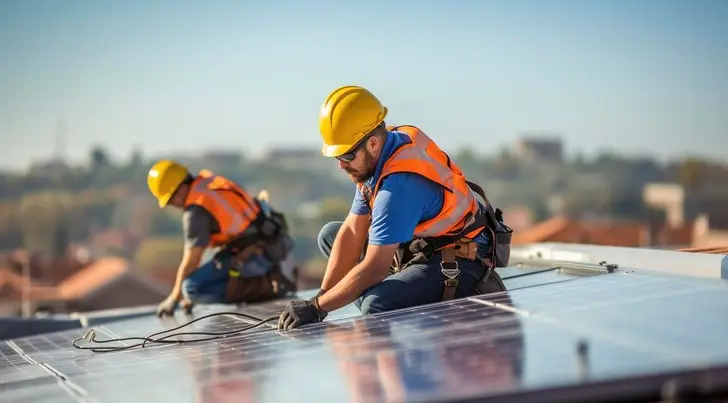
Once permits are obtained and a reputable installer is chosen, the installation timeline and process can begin. Installation typically involves several steps, including mounting solar panels, installing inverters and electrical components, connecting to the grid (if applicable), and conducting final inspections and testing. The timeline varies depending on factors such as system size, roof complexity, and weather conditions but generally ranges from a few days to a couple of weeks. Throughout the process, communication with the installer and adherence to agreed-upon timelines are key to ensuring a smooth and efficient installation experience.
Maintenance and Care
A. Regular cleaning and inspection:
Regular cleaning and inspection are essential for maintaining the optimal performance of a 6.6kW solar system in Sydney. Dust, dirt, pollen, and bird droppings can accumulate on solar panels over time, reducing their efficiency. Cleaning panels with water and a soft brush or sponge helps remove debris and ensure maximum sunlight absorption. Additionally, periodic inspections by a qualified technician can identify any potential issues such as loose connections, shading, or damage to panels, enabling timely repairs and preventing further damage.
B. Monitoring system performance:
Monitoring the performance of a solar system is crucial for detecting any deviations from expected energy production and identifying potential problems early on. Most modern solar systems come equipped with monitoring systems that provide real-time data on energy generation, system efficiency, and any anomalies. Homeowners can use online platforms or mobile apps to access this data and track their system’s performance regularly. Monitoring allows for proactive maintenance, optimization, and timely intervention in case of issues, ensuring the long-term reliability and efficiency of the solar system.
C. Dealing with potential issues and repairs:
Despite regular maintenance, solar systems may encounter occasional issues that require professional attention. These could include equipment malfunctions, wiring issues, or damage from extreme weather events. In such cases, homeowners should contact a reputable solar installer or technician to diagnose the problem and perform necessary repairs. It’s important to address issues promptly to prevent further damage and ensure uninterrupted energy production. Additionally, homeowners should familiarize themselves with warranty coverage for their solar system components, as some repairs may be covered under warranty.
Environmental Impact
A. Reduction in carbon footprint:
One of the most significant environmental benefits of solar energy is its role in reducing carbon emissions and mitigating climate change. By generating electricity from sunlight instead of fossil fuels like coal or natural gas, 6.6kW solar system in Sydney produce zero greenhouse gas emissions during operation. In Sydney, where coal-fired power plants have historically been a major source of electricity, widespread adoption of solar energy helps decrease the city’s overall carbon footprint and contributes to global efforts to combat climate change.
B. Contribution to sustainability goals:
Solar energy plays a crucial role in advancing sustainability goals by promoting renewable energy sources and reducing reliance on finite resources. By harnessing the abundant energy from the sun, 6.6kW solar system in Sydney offer a sustainable alternative to non-renewable energy sources, helping to preserve natural ecosystems and protect biodiversity. In Sydney, embracing solar energy aligns with sustainability initiatives at the local, national, and global levels, fostering a transition to a more environmentally friendly and resilient energy system.
C. Environmental benefits of solar energy in Sydney:
In addition to reducing carbon emissions and supporting sustainability goals, solar energy offers numerous environmental benefits specific to Sydney’s context. The city’s abundant sunlight and favorable climate make it an ideal location for solar energy generation, maximizing the environmental advantages of solar systems. By generating clean electricity locally, solar systems help reduce reliance on centralized power generation and transmission, minimizing energy losses and improving grid resilience. Furthermore, solar energy contributes to cleaner air and water by reducing pollution associated with traditional energy sources, enhancing overall environmental quality and public health in Sydney and beyond.
Frequently Asked Questions (FAQs)
1. What is a 6.6kW solar system, and how does it work?
2. How many solar panels are included in a 6.6kW system?
3. Is my roof suitable for a 6.6kW solar installation?
4. How much electricity can a 6.6kW system generate?
5. What factors influence the performance of a 6.6kW solar system?
6. What are the financial incentives available for installing a 6.6kW solar system?
7. How long does it take to install a 6.6kW solar system?
8. What maintenance is required for a 6.6kW solar system?
9. Can a 6.6kW solar system completely power my home?
10. How does a 6.6kW solar system contribute to reducing electricity bills?
Conclusion
Recap of the benefits of a 6.6kW solar system in Sydney: Installing a 6.6kW solar system in Sydney offers numerous benefits. It provides homeowners with access to clean, renewable energy, reducing reliance on fossil fuels and lowering carbon emissions. With ample sunlight in Sydney, solar systems can generate significant electricity savings, contributing to long-term financial stability. Additionally, investing in solar energy enhances energy independence, increases property value, and supports sustainability goals. By harnessing the power of the sun, residents can enjoy a reliable and environmentally friendly energy source for years to come.
Encouragement for adopting solar energy: As we strive to build a sustainable future, embracing solar energy is more important than ever. By transitioning to renewable energy sources like solar power, we can reduce our environmental impact, combat climate change, and create a cleaner, healthier planet for future generations. Adopting solar energy not only benefits individual homeowners but also strengthens communities and contributes to a more resilient and sustainable energy system. Together, we can make a positive difference by choosing solar and embracing a brighter, greener future.
Final thoughts and call to action: In conclusion, the decision to install a 6.6kW solar system in Sydney is a significant step towards a more sustainable and environmentally friendly lifestyle. By harnessing the power of the sun, homeowners can lower their electricity bills, reduce their carbon footprint, and contribute to a cleaner, more resilient energy future. If you’re considering solar energy, now is the time to take action. Reach out to reputable solar providers, explore available incentives and financing options, and join the growing community of solar adopters. Together, let’s harness the power of solar energy to create a brighter, more sustainable future for Sydney and beyond.
This outline provides a structured approach to creating comprehensive content covering various aspects of a 6.6kW solar system in Sydney, catering to both the informational needs of potential customers and the promotional goals of solar energy providers.
Your Trusted Solar Experts Across Sydney
At Australian Design Solar, we power homes and businesses across all Sydney suburbs with affordable, efficient, and reliable solar systems.
Whether you’re in the CBD, Inner West, North Shore, Eastern Suburbs, or Greater Western Sydney, our CEC-accredited installers deliver seamless solar installation from start to finish.
We’re committed to helping you lower energy bills, reduce carbon emissions, and gain energy independence with the latest solar panels and battery systems.
📍 We Service All Sydney Suburbs
🏙️ Sydney City & Inner Suburbs
Sydney CBD, Pyrmont, Ultimo, Haymarket, Surry Hills, Chippendale, Redfern, Waterloo, Zetland, Alexandria, Newtown, Glebe, Darlinghurst, Paddington, Potts Point, Woolloomooloo.
Eastern Suburbs
Bondi, Bondi Beach, Bondi Junction, Bronte, Clovelly, Coogee, Randwick, Maroubra, Kingsford, Kensington, Waverley, Tamarama, Bellevue Hill, Vaucluse, Rose Bay, Dover Heights, Double Bay, Edgecliff, Woollahra.
North Shore
Mosman, Cremorne, Neutral Bay, North Sydney, Crows Nest, Chatswood, Lane Cove, Artarmon, Willoughby, St Leonards, Naremburn, Castle Cove, Roseville, Lindfield, Killara, Gordon, Pymble, Turramurra, Wahroonga, Hornsby.
Inner West
Annandale, Balmain, Birchgrove, Leichhardt, Lilyfield, Rozelle, Petersham, Marrickville, Dulwich Hill, Summer Hill, Ashfield, Croydon, Haberfield, Drummoyne, Five Dock, Concord, Strathfield, Burwood.
Northern Beaches
Manly, Fairlight, Balgowlah, Curl Curl, Dee Why, Brookvale, Freshwater, Collaroy, Narrabeen, Mona Vale, Newport, Avalon Beach, Palm Beach, Warriewood, Elanora Heights.
Western Sydney
Parramatta, Harris Park, Granville, Auburn, Lidcombe, Merrylands, Guildford, Wentworthville, Blacktown, Seven Hills, Doonside, Quakers Hill, Toongabbie, Kings Park, Prospect, Rooty Hill, Mount Druitt, St Marys, Penrith.
South-West Sydney
Bankstown, Punchbowl, Greenacre, Yagoona, Revesby, Padstow, Milperra, Liverpool, Moorebank, Casula, Prestons, Hoxton Park, Edmondson Park, Carnes Hill, Bonnyrigg, Cabramatta, Fairfield, Wetherill Park.
North-West Sydney
Baulkham Hills, Castle Hill, Kellyville, Beaumont Hills, Rouse Hill, Norwest, Bella Vista, Glenwood, Stanhope Gardens, The Ponds, Riverstone, Schofields, Box Hill, Marsden Park, Vineyard.
South Sydney & St George
Kogarah, Rockdale, Bexley, Carlton, Hurstville, Penshurst, Mortdale, Oatley, Blakehurst, Sans Souci, Ramsgate, Monterey, Brighton-Le-Sands, Arncliffe, Wolli Creek, Mascot, Botany.
Sutherland Shire
Sutherland, Kirrawee, Gymea, Miranda, Caringbah, Taren Point, Cronulla, Woolooware, Burraneer, Como, Jannali, Bangor, Menai, Engadine, Heathcote.