
Solar generation + battery storage
Solar systems with battery storage in Australia
Generate electricity during the day. Store surplus solar. Use more of your own energy when you need it.
Australian Design Solar designs and installs solar and battery solutions for homes and businesses. Whether you are planning a complete new system or adding storage to existing solar, we help you compare equipment and configurations around your property, electricity use and budget.
Start with a tailored quote that considers solar capacity, usable battery storage, inverter compatibility and any backup requirements together.
How solar and storage work together
Keep more of the energy your roof produces
A solar system with battery storage combines rooftop panels, compatible inverter equipment and a rechargeable battery. Solar generation can supply daytime electricity demand, while surplus energy can charge the battery for later use.
When generation falls, stored electricity can help supply your property, subject to the battery’s charge level and output limits. Grid-connected systems can still draw electricity from the grid when required.
The right design considers both when energy is generated and when you use it. A recent electricity bill, consumption data and details of existing solar are useful starting points.
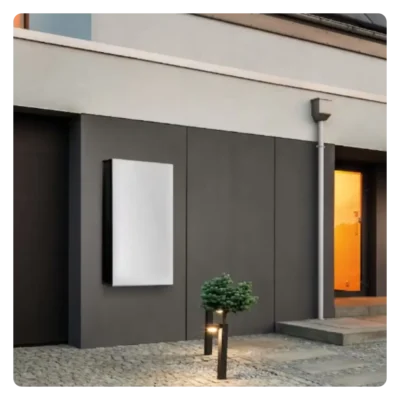
What do you want your system to achieve?
Choose solar and battery storage around your priorities
Use solar after sunset
Stored daytime generation can help supply evening electricity demand. Discuss the appliances you use after work and the amount of energy your household typically needs overnight.
Reduce reliance on grid imports
Using more of your own solar electricity can reduce purchases from your retailer. The financial outcome depends on your tariffs, solar production, consumption and the cost of the system.
Explore suitable backup
If keeping selected appliances running during outages matters to you, ask for backup to be specified in the proposal. Capability varies by equipment, circuit configuration and available battery charge.
New installation or existing solar?
Two starting points for your solar and battery project
A complete new solar + battery system
Planning solar and storage together allows the panel capacity, inverter, battery and electrical work to be considered as one project. Tell us about daytime demand, evening use and any future plans that may increase consumption.
- Discuss a suitable rooftop panel layout.
- Compare compatible inverter and battery options.
- Identify any requested backup configuration.
- Review the full installation scope in one quote.
Adding a battery to existing solar
Existing systems need a compatibility assessment before equipment is recommended. The inverter model, age of the installation and electrical configuration help determine what changes may be needed.
- Share your inverter make and model.
- Provide system size and monitoring data if available.
- Explain your storage and backup goals.
- Ask whether inverter changes are included.
Compare solar generation options
Solar system sizes to discuss with our team
A solar system’s rated panel capacity is measured in kilowatts (kW). It does not determine the battery size by itself. We consider your roof, electricity demand and storage goals when discussing a configuration.
| Solar option | Planning considerations | Explore |
|---|---|---|
| 6.6kW solar | Assess roof suitability and the surplus generation available after daytime household use. | 6.6kW systems |
| 10kW solar | Discuss higher electricity demand, available roof area and future household changes. | 10kW systems |
| 13kW solar | Compare generation needs for higher-use homes and suitable storage configurations. | 13kW systems |
| 20kW solar | Review substantial consumption, roof capacity, supply configuration and network requirements. | 20kW systems |
| 30kW–50kW solar | Assess business operating hours, interval usage data and the purpose of commercial storage. | 30kW systems · 50kW systems |
These are solar-system options for assessment, not fixed battery pairings. Equipment selection and network conditions determine the final configuration.
Battery capacity explained
How much battery storage do you need?
Battery energy storage is measured in kilowatt-hours (kWh). Compare the usable capacity specified for the exact model and configuration. Output power, measured in kW, describes how much power it can supply at a given time.
Tell us how much electricity you use when solar generation is low, how much surplus solar is available to charge storage and whether you want to reserve energy for outages.
If you are comparing 10kWh, 15kWh, 20kWh or larger batteries, ask how each option relates to your consumption. Available module sizes vary by brand, and more storage is not automatically the most suitable choice.
Two batteries with similar kWh capacity may have different output limits. Ask how the proposed equipment matches your intended loads.
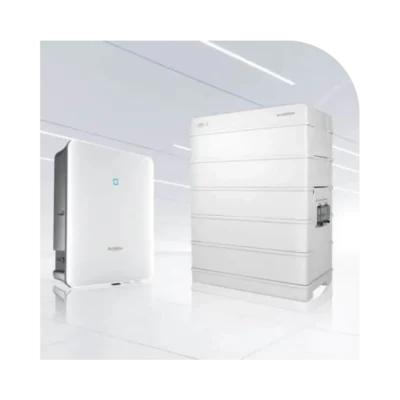
Compare equipment with confidence
Explore our solar battery options
Start with compatibility, usable storage, output, warranty terms and support arrangements. The proposed battery and inverter must suit the overall installation.
Sungrow batteries
Explore Sungrow storage and discuss which battery series and compatible inverter configuration may suit your project.
View Sungrow battery optionsAlpha ESS batteries
Compare Alpha ESS options against your electricity use, installation requirements and the features you want in a storage system.
View Alpha ESS batteriesSAJ batteries
Review SAJ battery information and ask about the models and configurations available for your solar installation.
View SAJ battery optionsBrand availability, model specifications and compatibility are confirmed during quotation. Product imagery is illustrative; supplied equipment is identified in your accepted quote.
Understand the installed price
How much does a solar system with battery cost?
A complete package is priced around your selected panels, inverter, battery and installation scope. A standalone solar price or battery price does not describe the total cost of a combined system.
Request a written quote that identifies the equipment, total payable amount and any extra work. This makes it easier to compare proposals on the same basis.
Equipment and capacity
Solar capacity, panel models, inverter selection and usable battery storage all affect the proposal. Ask for exact models and specifications.
Property and electrical work
Roof access, battery location, cable routes and switchboard changes can affect the scope. Clarify which site requirements have been assessed.
Backup and additional features
Backup equipment, circuit work and monitoring features should be itemised where applicable. Confirm what is included before accepting.
If an incentive allowance appears in your quote, ask which program it relates to, what eligibility assumptions apply and how it affects the final payable amount.
Backup starts with the design
Want power for essential appliances during an outage?
Raise backup requirements before choosing your system. A battery must support backup and be installed in a suitable configuration to provide it.
Ask us to document which circuits are intended to operate, the output limits and whether solar can recharge the battery during an outage. These details vary between systems.
Runtime depends on available charge and connected loads. Discuss your priorities, such as refrigeration, lighting and communications, so the proposal can address them.
Backup questions for your quote
- Is backup equipment included in the price?
- Which circuits will be connected for backup?
- What limits apply to appliance operation?
- Can solar recharge the battery during an outage?
- How is reserve charge managed?
- What happens when stored energy runs low?

Residential & commercial projects
A system built around how your property operates
For homes, the conversation often starts with evening consumption, existing rooftop solar and future appliances. For businesses, operating hours and interval electricity data help define the storage requirement.
If a business project is intended to manage demand charges or support selected equipment, identify those objectives early. The battery’s power capability and control strategy need to be assessed alongside storage capacity.
Share your bills, operating schedule and project priorities with our team so we can discuss the information needed for a tailored proposal.
From enquiry to handover
Your solar and battery installation journey
Share your requirements
Provide your location, usage and goals. Include existing inverter details and backup priorities where relevant.
Assess the options
Discuss equipment compatibility, capacity, battery placement and site details that need further review.
Review your proposal
Check the models, installation scope, total price, approvals, payment terms and applicable warranties.
Install and hand over
Confirm installation arrangements and retain your operating instructions, monitoring details and support contacts.
Australian Design Solar
Clear advice for a considered energy decision
We help homeowners and businesses compare solar and storage as a complete project. Our focus is explaining suitable options, identifying installation requirements and providing a quote you can review.
Explore why choose Australian Design Solar, read our Warranty Policy or contact our team with your questions.
Solar and battery service areas
We welcome enquiries across Sydney and NSW, Melbourne and Victoria, Brisbane and South East Queensland, Adelaide and South Australia, and Canberra and the ACT.
Send your postcode to confirm installation availability and the assessment requirements for your property.
Discuss your local installationYour questions answered
Solar system with battery FAQs
Can I request solar panels and a battery in one quote?
Yes. Tell us you want a complete system so the panel capacity, inverter, storage and electrical work can be considered together. Ask for the exact equipment and installation inclusions in your written proposal.
What size battery goes with a 10kW solar system?
There is no single required pairing. Battery selection should consider surplus generation, electricity use outside solar hours, backup goals and equipment compatibility. Share your usage data so suitable options can be assessed.
Can you add storage to my existing solar system?
We can assess the options. Provide your inverter model, solar capacity and installation age. The proposal should explain whether the existing equipment can remain and what changes are needed.
Does a battery automatically provide blackout backup?
No. Backup depends on supported equipment and the installed configuration. Ask for the proposed circuits, power limits and outage operation to be specified in your quote.
Will solar and a battery remove my electricity bill?
A zero bill should not be assumed. Grid imports, supply charges, tariffs, weather and consumption affect the result. Any savings estimate should explain the assumptions used.
Can I expand the battery later?
Some systems allow expansion, but the exact model, inverter compatibility and manufacturer requirements matter. Ask about expansion limits and conditions before selecting your initial configuration.
How long is the battery warranty?
Check the warranty for the exact battery model. Conditions may refer to years, cycles, energy throughput and retained capacity. Product cover and installation cover should be reviewed separately.
How long does installation take?
Timing depends on equipment, property access, electrical work and any approval requirements. Our team can discuss the expected schedule once the project scope is established.
What information helps with a solar and battery quote?
Provide your postcode, a recent bill, usage data if available and existing solar details. Let us know whether you are planning new electric appliances or want backup for selected circuits.
Plan your complete energy system
Find a solar and battery solution for your property
Talk to Australian Design Solar about new installations, battery upgrades and storage for your home or business. Request a tailored quote and compare your options with confidence.